Culture & Histoire
Introduction to Celtic Culture
Celtic culture represents one of the most enigmatic and influential civilizations of ancient Europe. Known for their intricate art, complex social structures, and profound spirituality, the Celts have left an indelible mark on the continent’s historical and cultural landscape. Their legacy persists not only in archaeological remains but also in languages, folklore, and regional identities that continue to flourish today.
Origins of the Celts in Europe
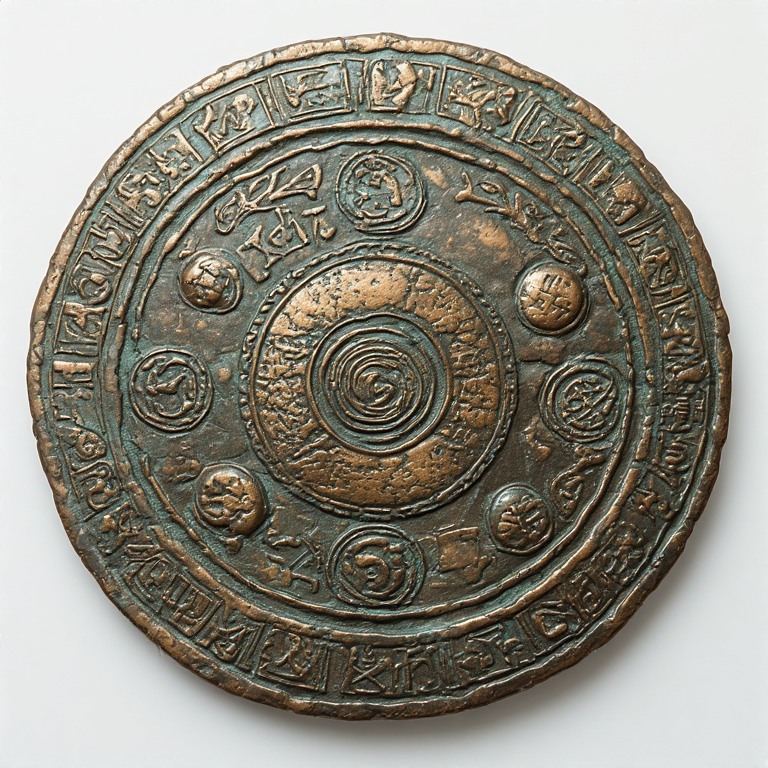
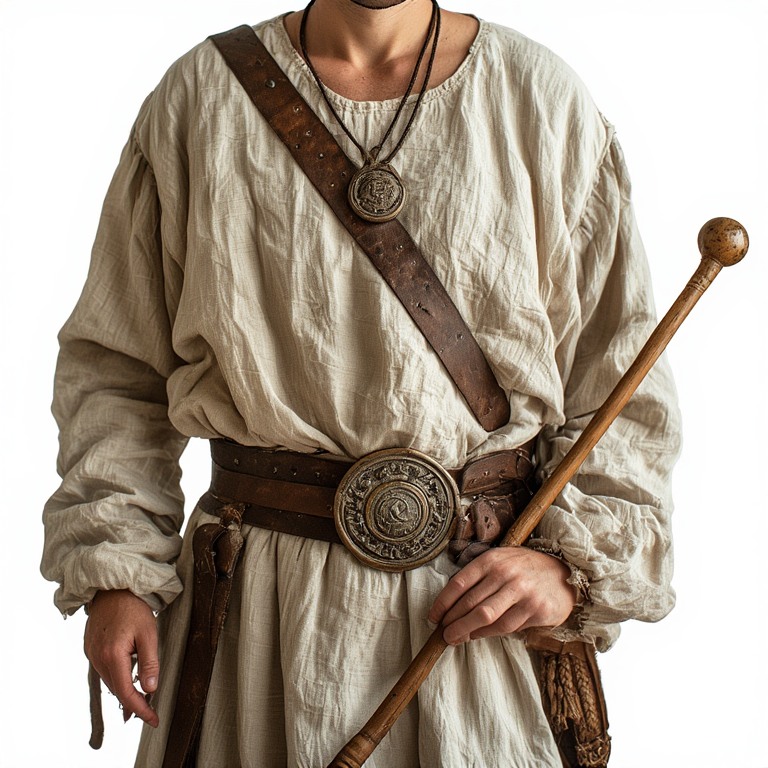
The Celts likely emerged in Central Europe during the late Bronze Age, around 1200 BCE, evolving from the Hallstatt culture in what is now Austria. Genetic, linguistic, and archaeological evidence indicates a widespread migration that extended their influence to the British Isles, Iberian Peninsula, and Galatia in modern-day Turkey. These movements facilitated the diffusion of a shared Celtic linguistic and cultural identity, albeit with regional variations.
Historical Chronology (Iron Age, Expansion, Decline)
The Iron Age, beginning circa 800 BCE, marked the apogee of Celtic civilization. During this period, the Celts developed advanced metalworking techniques, fortified settlements, and extensive trade networks. By the 4th century BCE, Celtic tribes expanded across Europe, reaching as far as the Mediterranean. Their decline began in the face of Roman conquest, assimilation, and the rise of Germanic tribes, culminating in the gradual erosion of distinct Celtic polities by the early medieval period.
Daily Life of the Celts
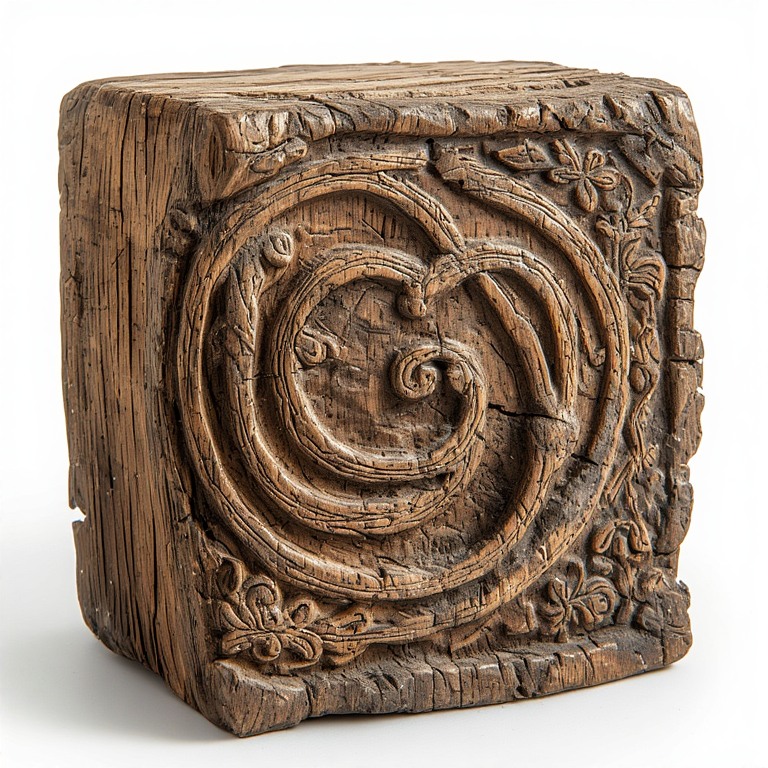
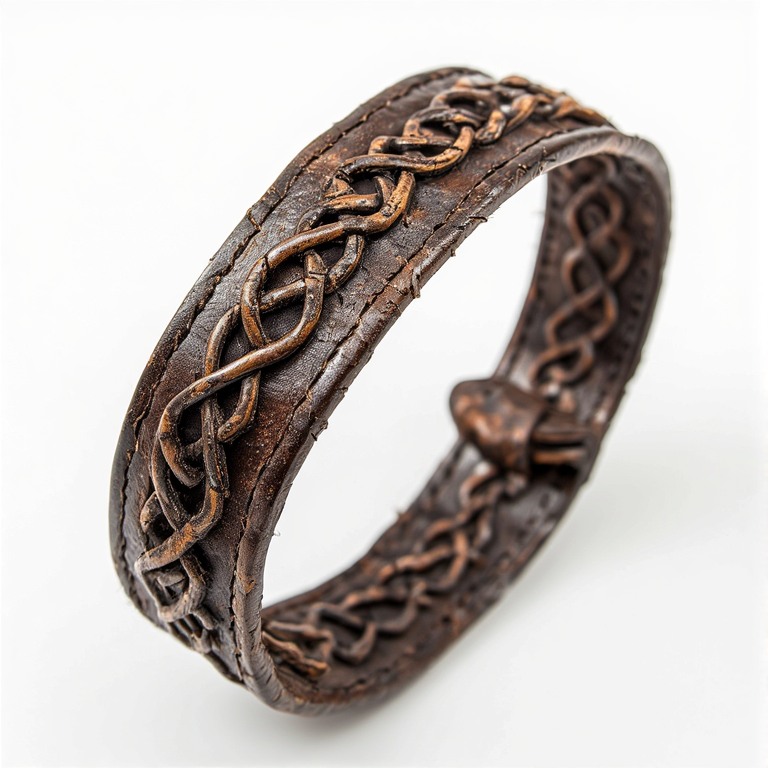
Celtic daily life was profoundly shaped by the seasons, agriculture, and artisanal craftsmanship. Communities engaged in farming, animal husbandry, and metalwork, while communal gatherings and feasts reinforced social cohesion. Their dwellings ranged from simple roundhouses to more elaborate hillfort structures, reflecting both practical needs and social status. Rituals, music, and storytelling were integral, emphasizing the Celts’ deep connection to tradition and the natural world.
Social Organization (Classes, Roles, Hierarchy)
Celtic society was hierarchical yet flexible. At the top were the warrior aristocracy, followed by druids—priests and intellectual elites—then free farmers, artisans, and merchants. Slaves or captives occupied the lowest social strata. Leadership was typically clan-based, with chieftains wielding authority through both lineage and personal prowess. This social structure allowed for both stability and adaptability, fostering a cohesive yet dynamic community framework.
Celtic Mythology (Gods, Heroes, Legends)
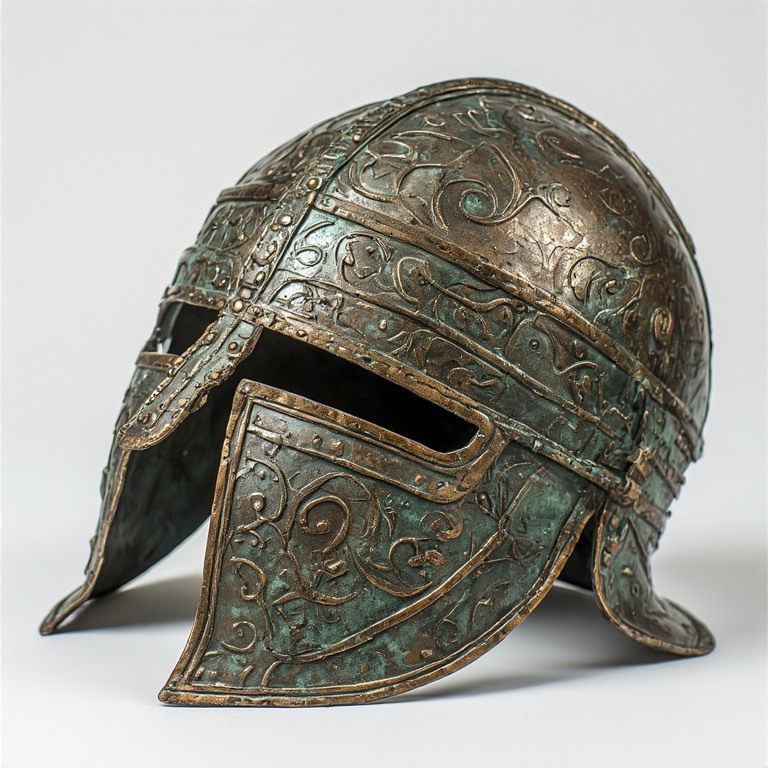
Celtic mythology encompasses a rich pantheon of deities, supernatural beings, and heroic narratives. Gods such as Lugh, the god of light and skill, and the fertility goddess Brigid, were central to spiritual life. Tales like the Ulster Cycle and the Mabinogion illustrate moral lessons, valor, and the interplay between humans and the Otherworld. These myths were preserved orally, reflecting a profound reverence for nature, cycles of life, and cosmic order.
Celtic Symbols (Triskelion, Spirals, etc.)
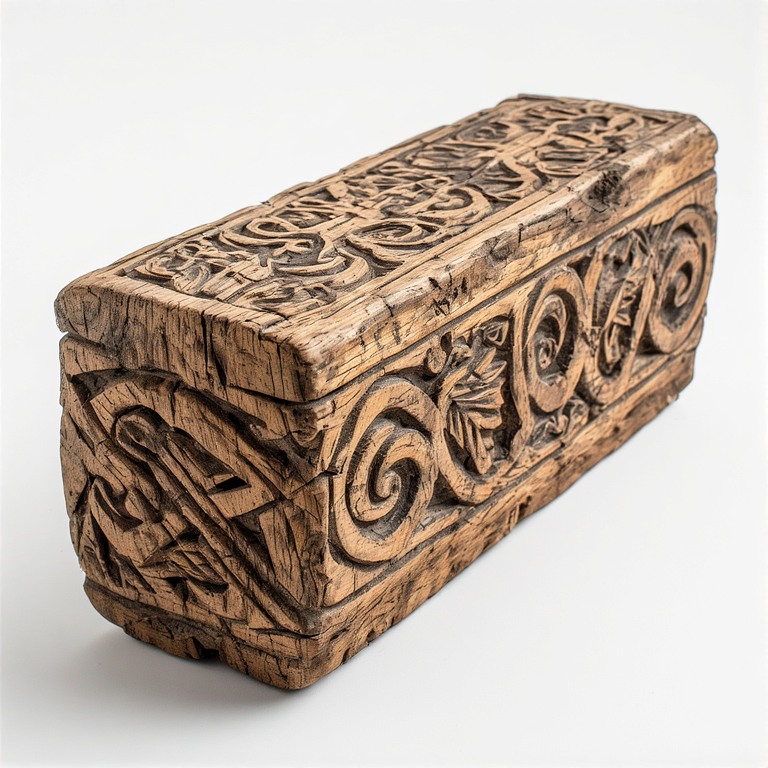
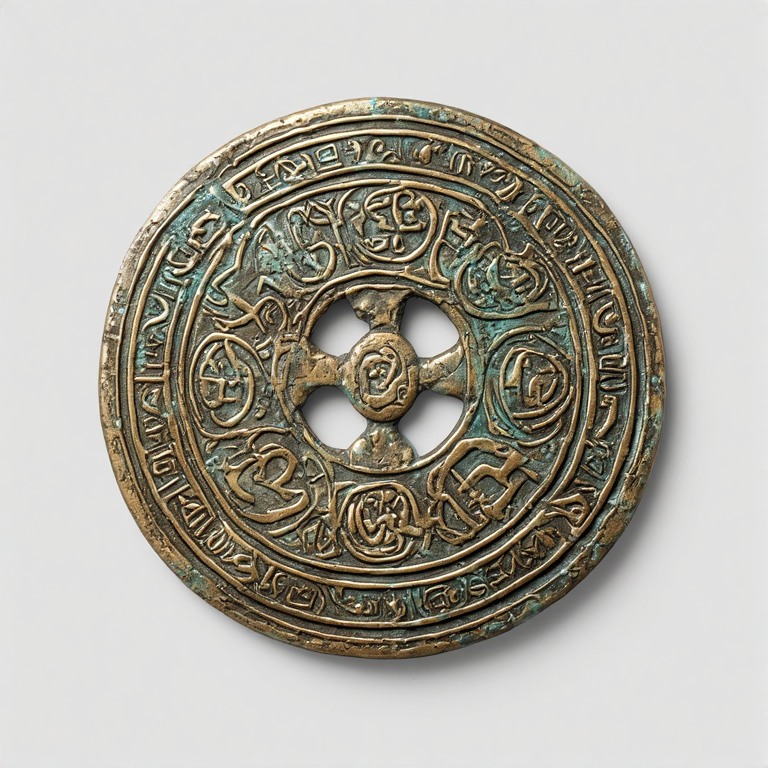
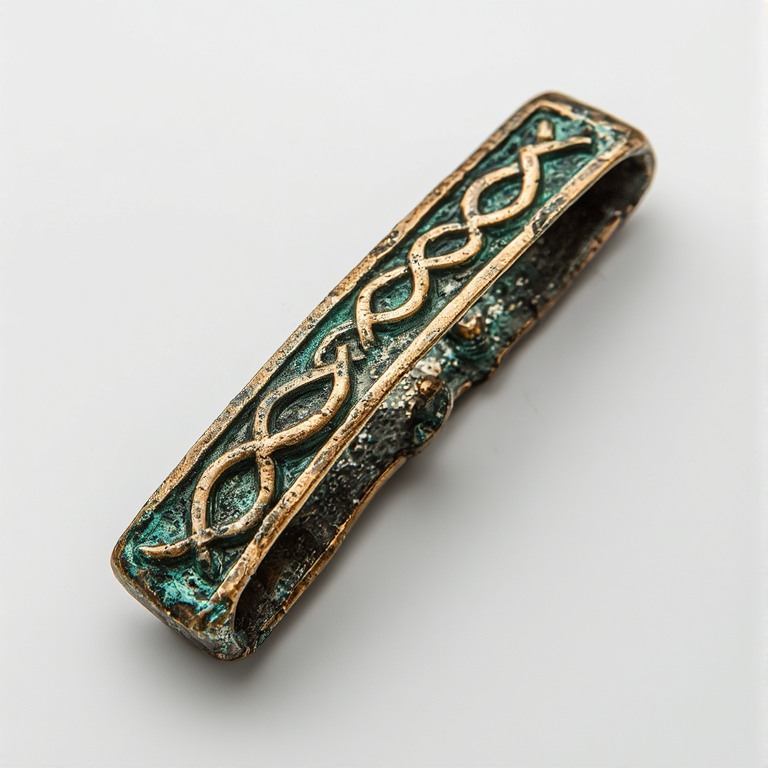
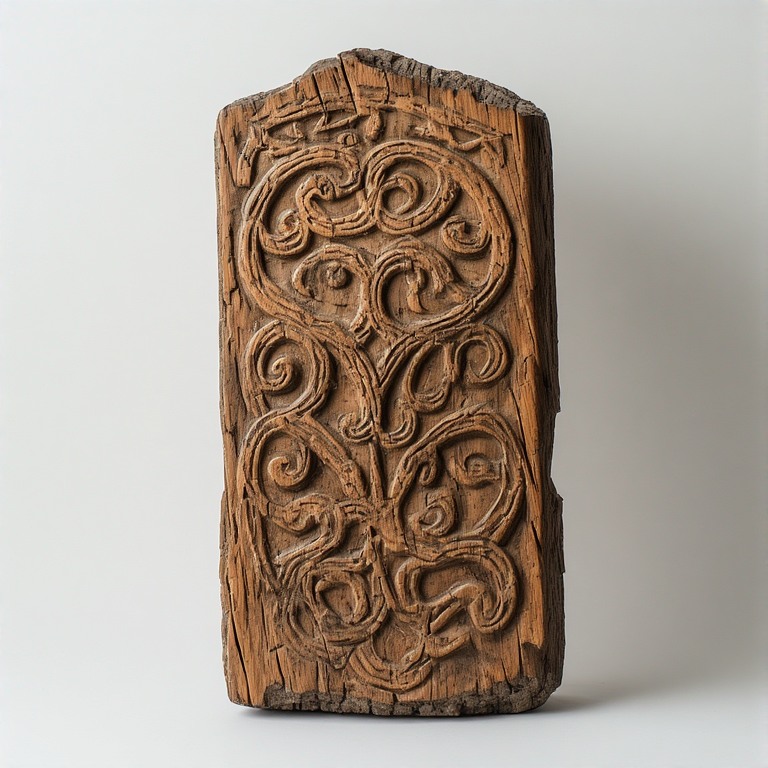
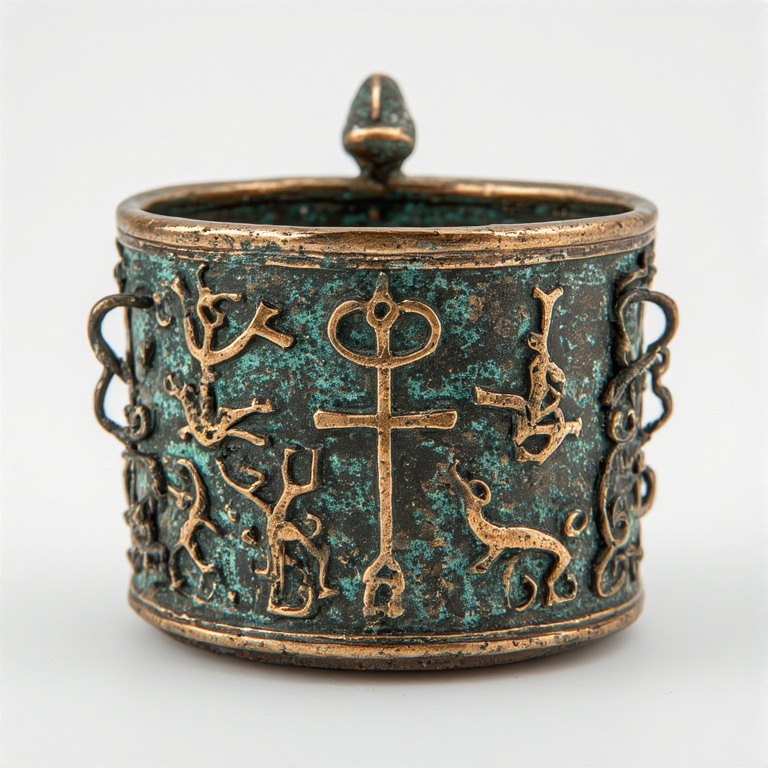
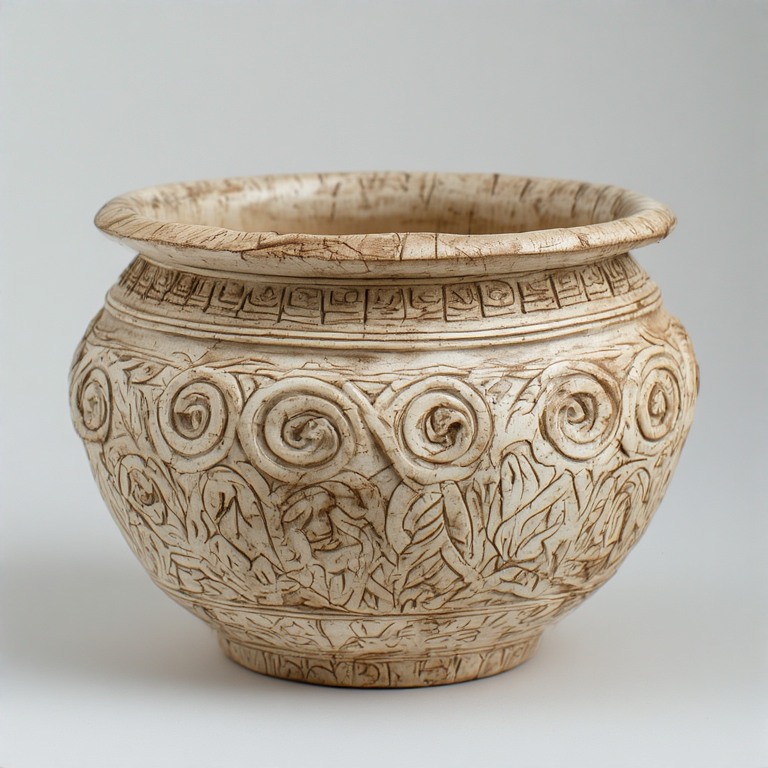
Symbolism permeated Celtic art and spirituality. The triskelion, triple spirals, knotwork, and animal motifs conveyed complex meanings—representing life cycles, unity, and the interplay between physical and spiritual realms. These motifs adorned jewelry, weaponry, and religious artifacts, reflecting both aesthetic sensibilities and profound cosmological beliefs. Their enduring influence is evident in modern Celtic-inspired designs worldwide.
Major Archaeological Sites
Several archaeological sites provide invaluable insight into Celtic civilization. Hallstatt and La Tène in Central Europe exemplify early Iron Age culture, while Carnac in Brittany showcases monumental stone alignments. In the British Isles, sites like Newgrange in Ireland and Maiden Castle in England reveal sophisticated construction, ceremonial practices, and social organization, attesting to the Celts’ technical skill and spiritual depth.
Celtic Influence Today
Despite historical decline, Celtic culture continues to resonate in contemporary Europe. Languages such as Irish, Welsh, and Breton survive, while festivals, music, and folklore preserve ancient traditions. Modern art, literature, and neo-pagan spiritual practices also draw heavily from Celtic motifs and myths, highlighting the enduring appeal and adaptability of this ancient heritage.
Differences Between Celtic Cultures (Gauls, Irish, Welsh, etc.)
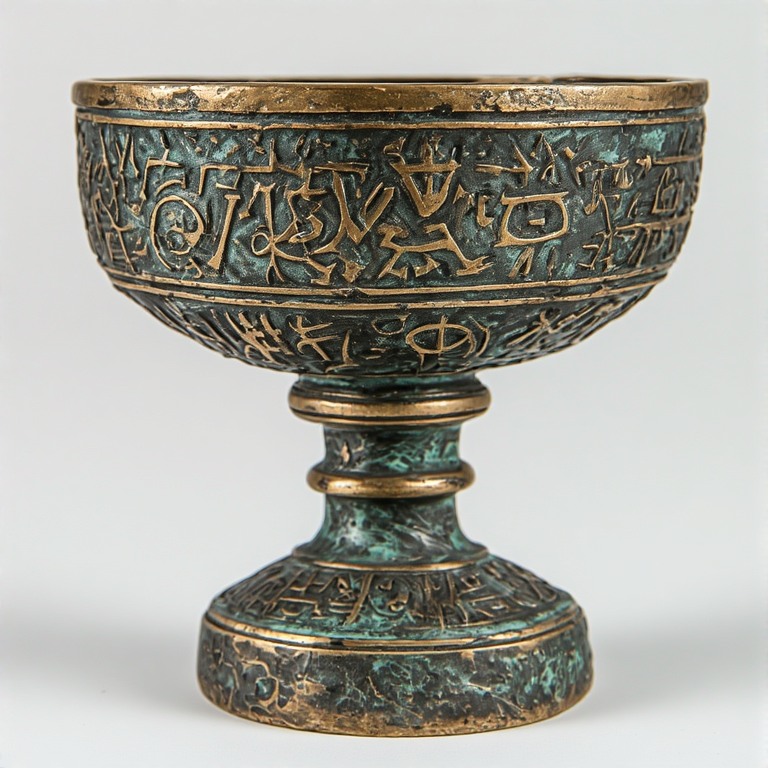
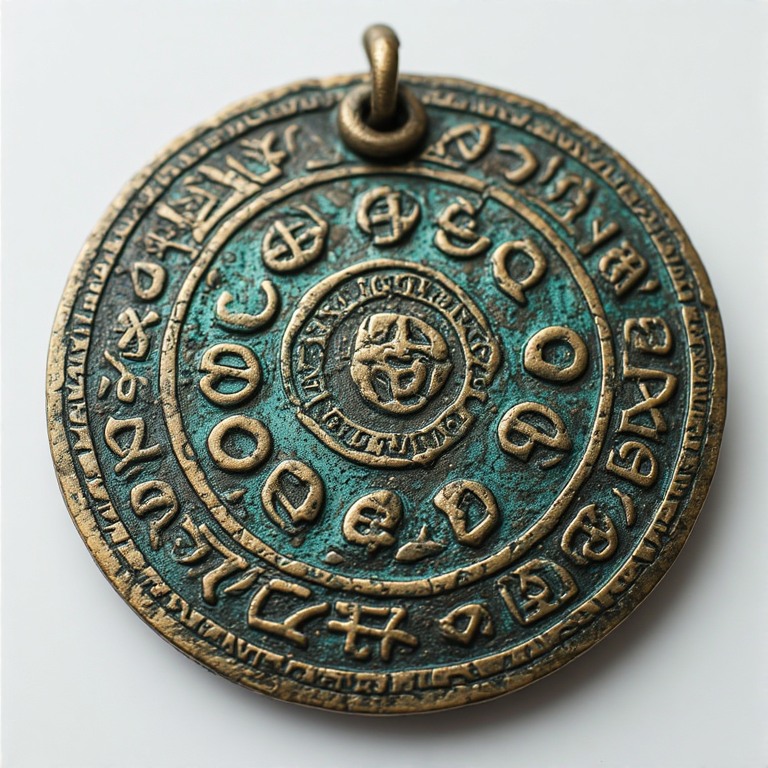
Celtic cultures were diverse and regionally distinct. Gauls in modern-day France were renowned for their warriors and metallurgy, while Irish Celts developed rich literary and mythological traditions. Welsh Celts preserved their language and bardic heritage, whereas Scottish and Pictish groups maintained unique artistic and ritual expressions. These variations illustrate the adaptability of Celtic culture across different geographies and historical contexts.