Druidisme
What is Druidism?
Druidism represents the spiritual and intellectual tradition of the ancient Celtic peoples, centered on wisdom, mediation, and a profound connection with nature. Druids functioned not only as priests but also as philosophers, judges, and advisors, embodying the moral and spiritual framework of their societies. Their influence extended across Celtic Europe, leaving a legacy that continues in modern neo-druidic movements.
Origins of the Druids
The origins of the druids are closely linked to the development of Celtic societies during the Iron Age (c. 800–400 BCE). While exact historical records are scarce, classical sources such as Julius Caesar’s Commentarii de Bello Gallico describe druids as an elite group entrusted with religious rites, education, and governance. Archaeological evidence, though indirect, supports their presence in regions ranging from Gaul to the British Isles.
Role of Druids in Society
Druids held multiple pivotal roles. They acted as spiritual leaders, legal arbiters, educators, and advisors to kings and chieftains. Their authority derived not from political office but from knowledge, moral integrity, and mastery of oral tradition. They also functioned as mediators in inter-tribal conflicts and were responsible for preserving cultural continuity through storytelling and ritual.
Druidic Philosophy
At the core of druidic thought lies an emphasis on harmony, balance, and ethical living. Druids promoted wisdom, personal responsibility, and respect for the natural and spiritual order. They viewed the material and spiritual worlds as interconnected, advocating for moral discernment, introspection, and the cultivation of knowledge across generations.
Spirituality and Beliefs
Druidic spirituality was deeply polytheistic and animistic, venerating gods and spirits associated with natural phenomena. Their belief system emphasized cycles of life, death, and rebirth, and held that humans were an integral part of the cosmos. Sacred groves, rivers, and mountains often served as sites for worship, reflecting their profound reverence for the environment.
Connection with Nature
Nature was central to druidic identity. Druids believed that trees, animals, and rivers possessed spiritual significance and that observing natural rhythms could provide insight into human and cosmic affairs. Oak trees, in particular, were considered sacred, and many rituals were conducted in forests to honor these natural forces.
Rituals and Practices
Druidic rituals included offerings, divination, and ceremonies marking seasonal changes, such as solstices and equinoxes. While some sources suggest the use of fire and water in purification rites, most knowledge of practices comes from Roman accounts and later Irish and Welsh manuscripts. Music, poetry, and storytelling were integral, serving both ceremonial and educational functions.
Druidic Symbols
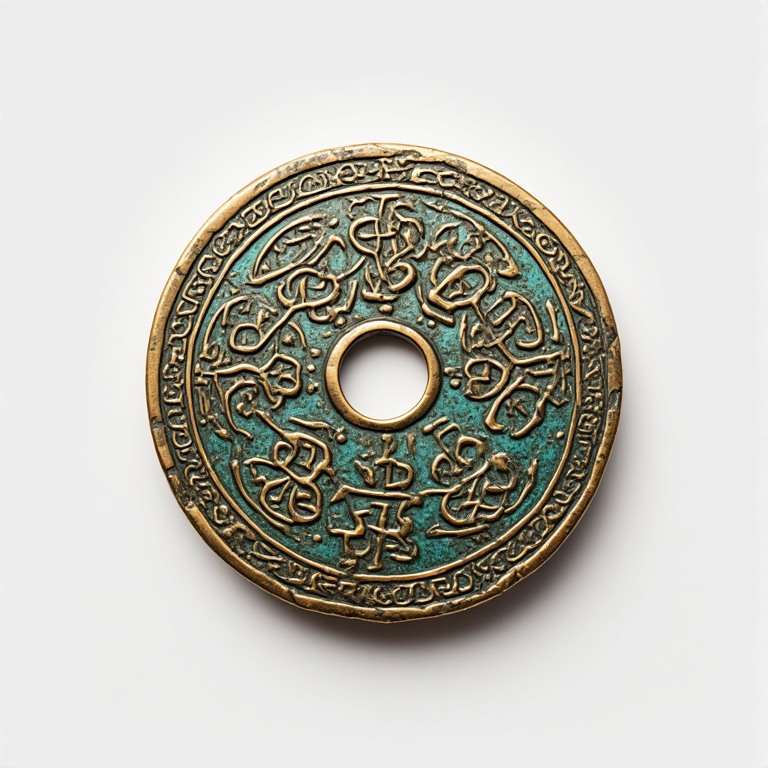
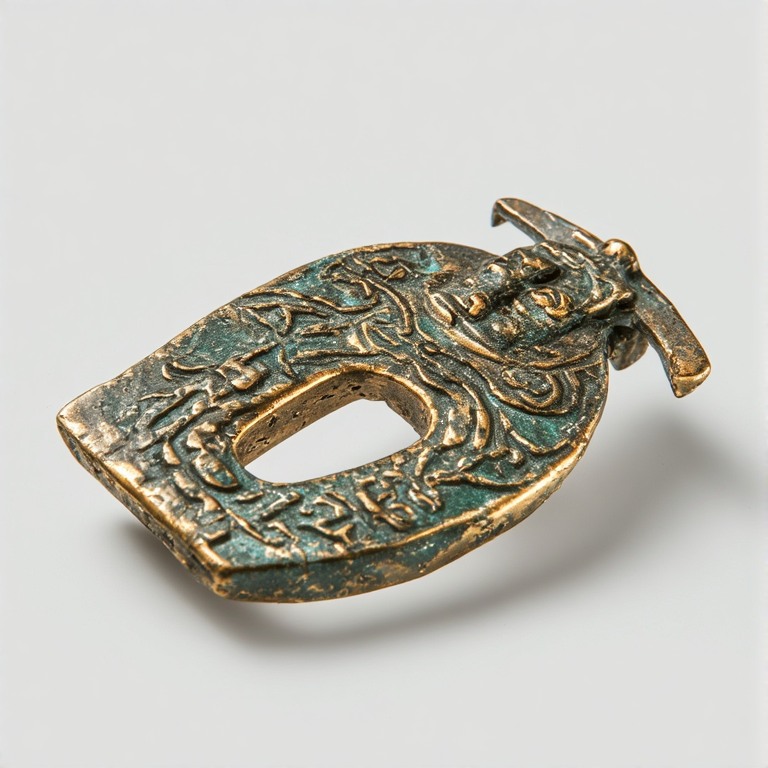
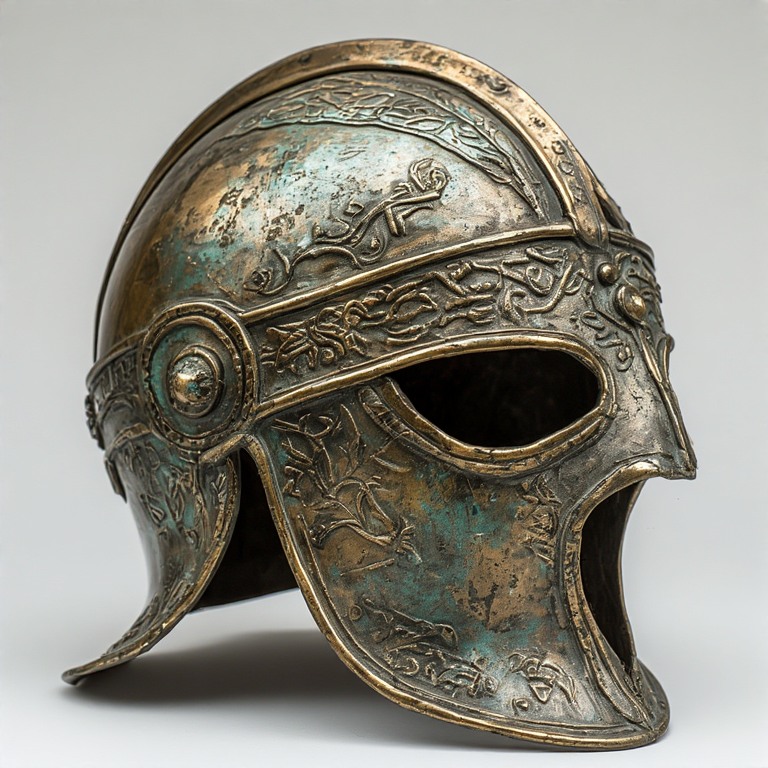
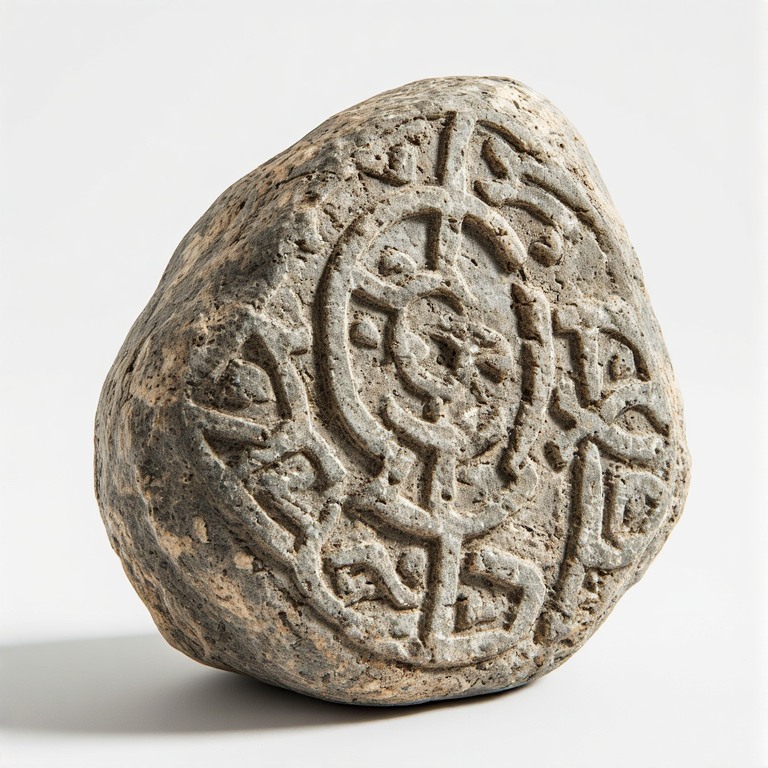
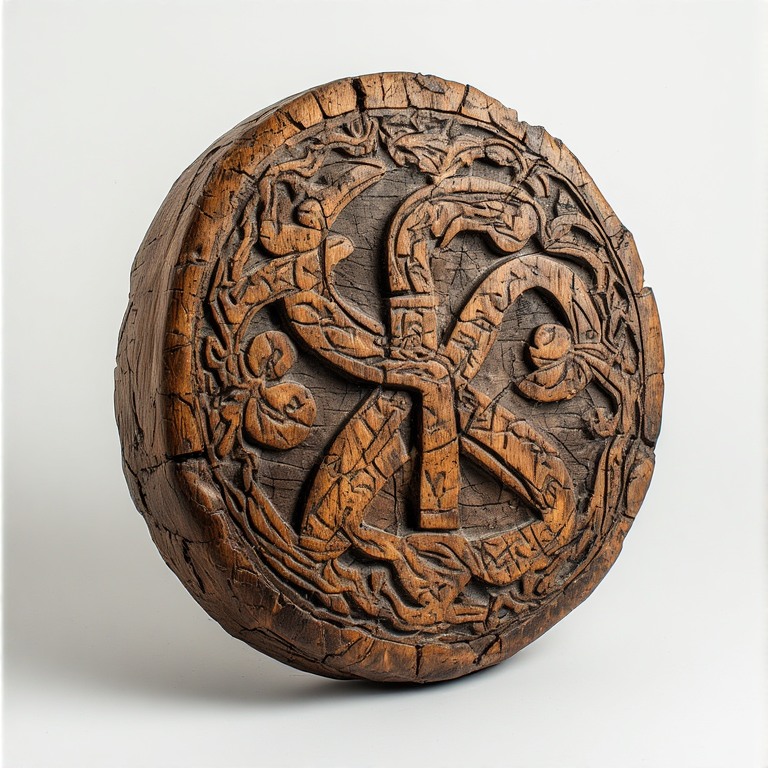
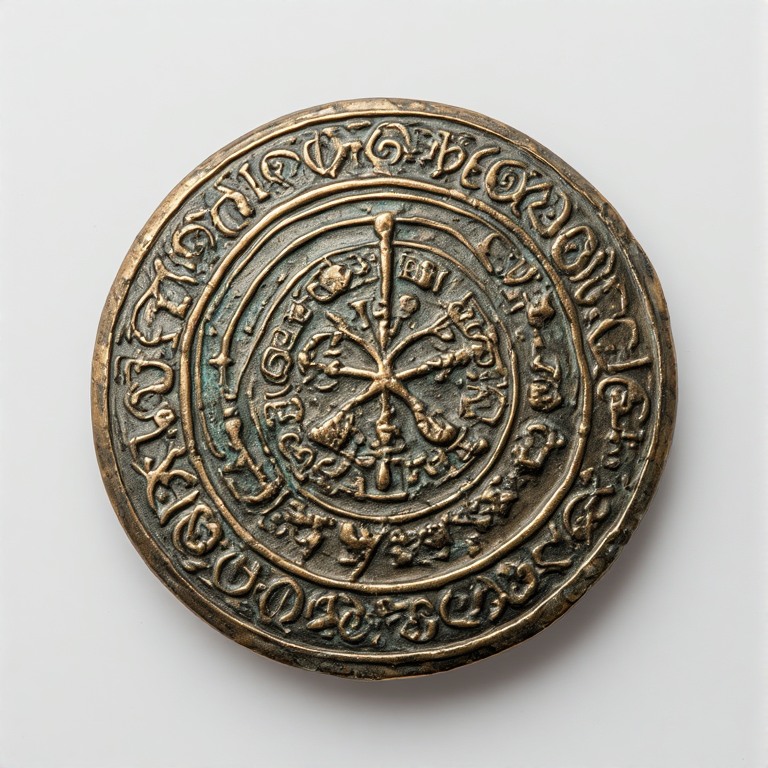
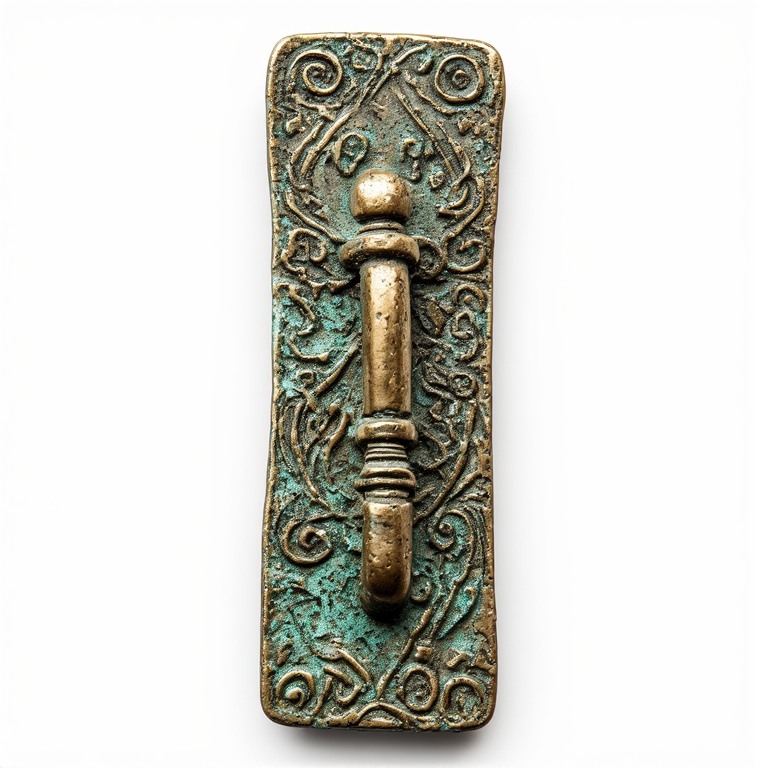
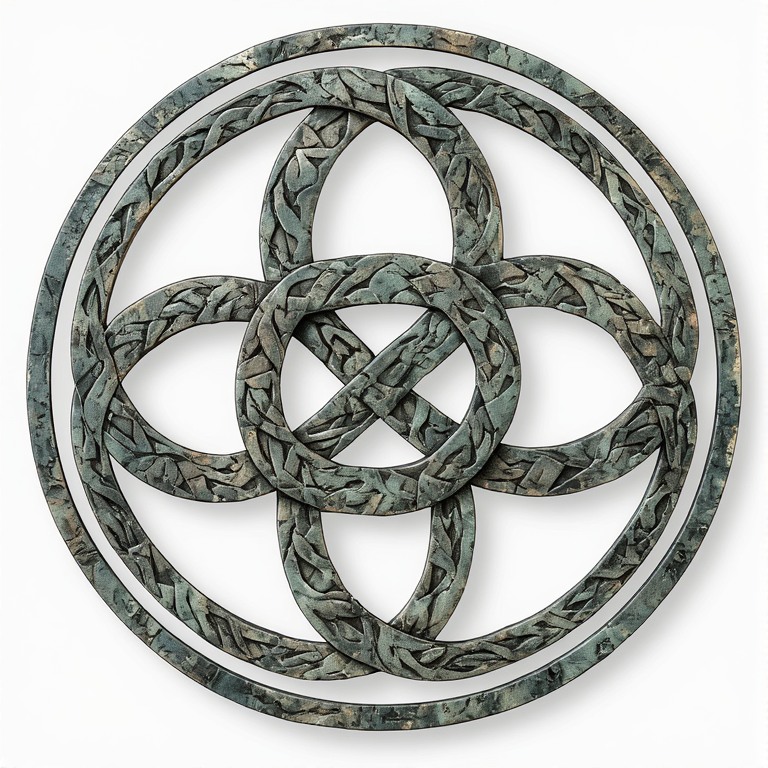
Symbolism was pervasive in druidic culture. Circles, spirals, knots, and representations of animals communicated spiritual concepts such as eternity, interconnectedness, and transformation. These motifs appear in metalwork, carvings, and ceremonial objects, reflecting both artistic sophistication and metaphysical understanding.

Texts and Oral Traditions
Druids relied almost exclusively on oral transmission to preserve their teachings, laws, and myths. This oral tradition, maintained through rigorous memorization, safeguarded cultural knowledge across generations. Later manuscripts, particularly from medieval Ireland and Wales, preserve echoes of these teachings, though always filtered through centuries of interpretation.
Modern Druidism (Neo-Druidism)
Contemporary neo-druidism revives ancient principles while adapting them to modern spiritual contexts. Neo-druids emphasize ecological awareness, meditation, ritual, and the study of Celtic history and mythology. While not a direct continuation of ancient practices, this movement reflects enduring fascination with druidic ideals of wisdom, harmony, and connection to the natural world.
Druids as Guardians of Knowledge
Druids were not only spiritual leaders but also the primary custodians of Celtic knowledge and wisdom. They oversaw the transmission of law, genealogy, astronomy, and poetry through rigorous oral instruction, often lasting many years. Their role ensured that ethical codes, cultural narratives, and practical knowledge were preserved with remarkable accuracy across generations, despite the absence of written texts. By combining memory, storytelling, and ritual, druids maintained social cohesion and guided their communities in both temporal and spiritual matters.
Druidism and Celtic Identity
Druidism was not merely a religious practice but a cornerstone of Celtic identity. By embodying spiritual authority, moral guidance, and cultural continuity, druids reinforced the social and ethical framework of their communities. Even after the Roman conquest and the decline of traditional Celtic political structures, the druidic ethos persisted in folklore, ritual, and later literary traditions. Today, neo-druidic movements revive these principles, linking modern spirituality with an enduring sense of Celtic heritage and reverence for the natural world.