
Exploration & Lieux
Sacred Forests
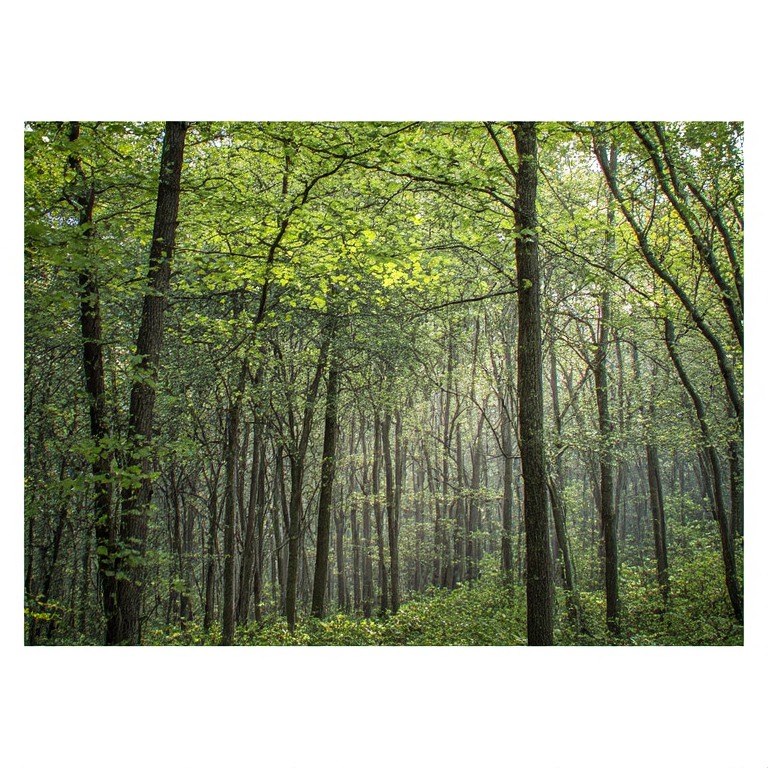
Sacred forests were the heart of Celtic spirituality, where the natural and supernatural worlds intertwined. Druids conducted rituals beneath ancient oaks, yews, and hazels, trees revered for their symbolic power and longevity. These groves were more than ceremonial spaces; they were centers of education, meditation, and healing. Communities gathered to perform seasonal rites, honor ancestors, and commune with the divine, reflecting the Celts’ profound understanding of the interdependence of human life and the natural world. The spiritual significance of these forests reinforced ecological awareness and ethical responsibility, creating spaces where culture, religion, and the environment were inseparable.
Megalithic Sites
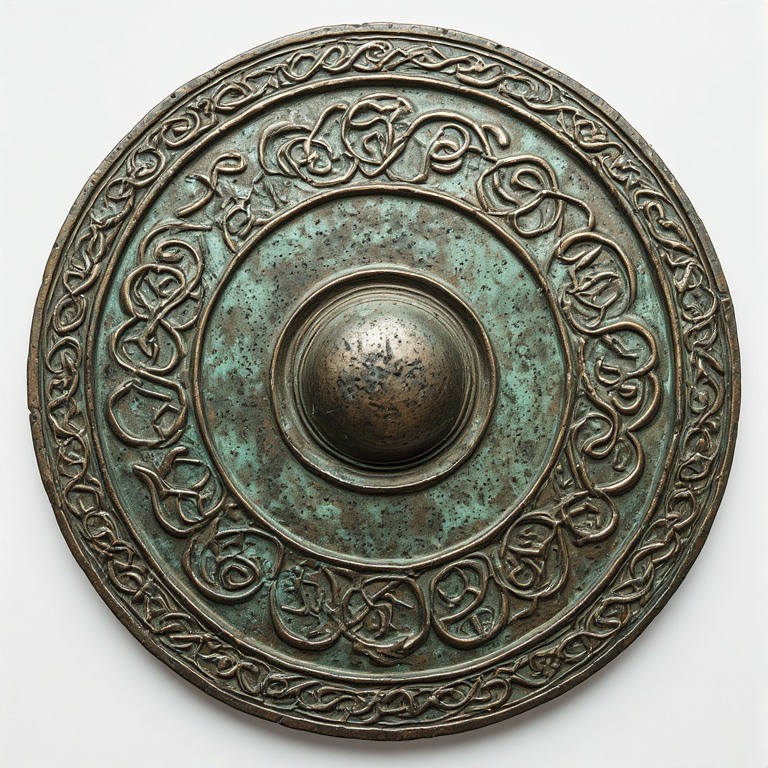
Megalithic monuments, including stone circles, dolmens, and passage graves, stand as enduring testimonies to the Celts’ architectural ingenuity and cosmological knowledge. Sites such as Carnac in Brittany, Avebury in England, and Newgrange in Ireland were carefully constructed to align with solar and lunar cycles, marking solstices, equinoxes, and seasonal transitions. Beyond their astronomical function, these structures served as sacred spaces for communal rituals, ancestral veneration, and the teaching of cosmology. The precision and scale of these monuments reflect a sophisticated integration of spirituality, social organization, and observation of natural phenomena, highlighting the Celts’ ability to embed meaning in their environment.
Sites Associated with Druids
Certain locations were central to druidic practice, serving simultaneously as centers of learning, justice, and ritual. Sacred groves, elevated hills, riversides, and stone circles provided venues for instruction, divination, and seasonal ceremonies. Druids guided communities in law, ethics, and spiritual matters, often using the landscape itself as a teaching tool. These sites fostered communal cohesion, moral instruction, and cultural continuity, making them both practical and symbolic. They were living embodiments of the druidic worldview, blending education, spirituality, and environmental awareness into a coherent societal framework.

Celtic Cultural Tours
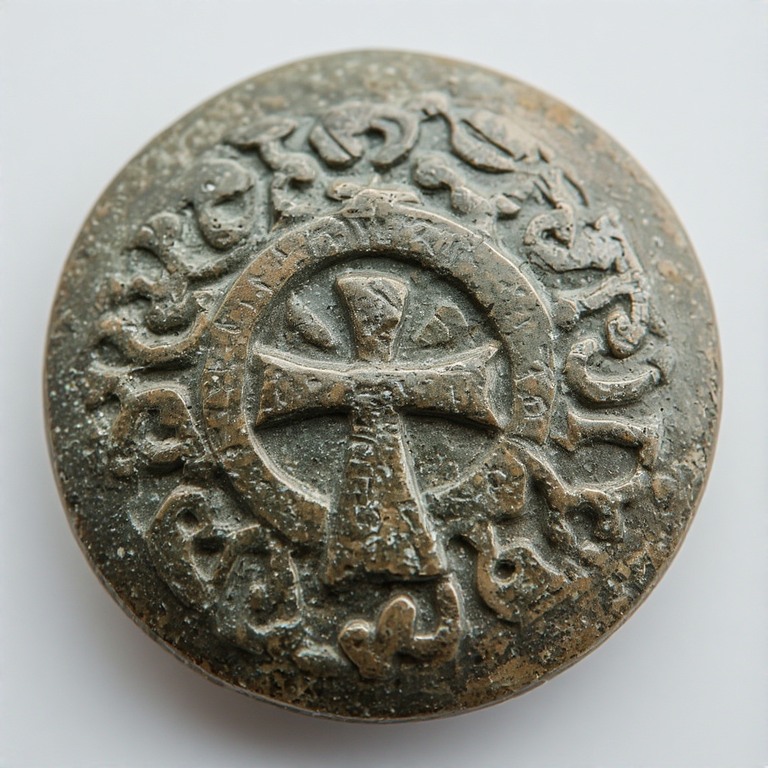
Modern journeys through Celtic lands offer a unique window into the civilization’s enduring legacy. Travelers can explore ancient forests, ceremonial sites, megalithic monuments, and historic towns, tracing the footsteps of Celtic tribes and druids. Such cultural tours combine historical scholarship, archaeology, and immersive experience, allowing participants to witness the landscapes that shaped myths, rituals, and social structures. These journeys foster a deeper understanding of Celtic heritage, highlighting the resilience of cultural memory and the continued relevance of ancient spiritual and ecological practices.
Maps of Celtic Territories
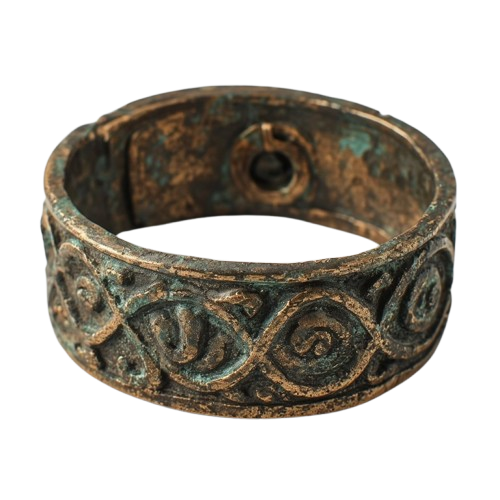
Maps of Celtic territories reveal the vast geographical spread and diversity of the Celtic world across Europe. From Gaul and the British Isles to Iberia and Galatia, these maps trace tribal boundaries, centers of political and religious activity, and migration patterns. They illuminate regional variations in language, art, and ritual practice, providing context for historical expansion and intercultural interaction. By visualizing the scope of Celtic influence, such maps deepen appreciation of the civilization’s complexity and help modern audiences connect historical knowledge with tangible geography.